.1.PORT HARCOURT OFFICE :No. 10 Temple Amadi Avenue Off Sani Abacha Road GRA III Port Harcourt, Rivers State.
– PLANT YARD :Along Omagwa Elele Express Behind NNPC Filling Station Ikwerre LGA Rivers State

Exploring diverse cultural views on gambling and its societal impacts
Cultural attitudes towards gambling vary significantly across the globe. In some societies, gambling is seen as a traditional pastime, rich with historical significance and community bonding. For example, in countries like China, gambling activities during festivities are widely accepted and often celebrated. This perception fosters a sense of unity and cultural pride, as families engage in games that have been passed down through generations. Many players also enjoy the thrill of the tower rush game download, merging tradition with modern gaming.

Conversely, in other cultures, gambling is viewed with skepticism and disapproval. Many religious beliefs emphasize the dangers of gambling, associating it with moral decay and societal issues. In regions influenced by strict religious doctrines, such as certain parts of the Middle East, gambling is often prohibited, leading to a dichotomy where individuals may partake in clandestine activities despite the societal stigma.
The economic implications of gambling are profound and multifaceted. In regions where gambling is legalized and regulated, such as Las Vegas in the United States, it serves as a crucial driver of tourism and local business. The influx of visitors creates jobs and stimulates various sectors, from hospitality to entertainment, significantly benefiting the local economy.
However, the economic benefits are often accompanied by social costs. Increased gambling activities can lead to addiction and financial distress among certain populations, which can ultimately strain public resources. Governments must grapple with balancing the economic advantages of legalized gambling against the potential social repercussions, such as increased crime rates and healthcare costs associated with gambling addiction.
Gambling’s societal impacts extend beyond mere economics, deeply intertwining with social structures and community dynamics. In many communities, gambling can serve as a social equalizer, where individuals from varied backgrounds come together for a shared experience. This inclusivity can foster camaraderie and create bonds that transcend socioeconomic divides.
Nevertheless, gambling can also exacerbate existing social issues. The allure of quick wealth can lead to increased rates of addiction and familial strife. As individuals struggle with their gambling habits, the ripple effects can be damaging, impacting relationships and community stability. The challenge lies in promoting responsible gambling practices while recognizing the cultural nuances that shape these behaviors.
The legal landscape surrounding gambling is as diverse as cultural attitudes towards it. In some regions, robust regulations exist to promote responsible gambling and protect vulnerable populations. These regulations are often crafted in consultation with community stakeholders, ensuring that local values and concerns are addressed. This approach can help mitigate the negative impacts of gambling while allowing for its economic benefits.
On the other hand, regions with lax regulations may experience significant issues related to gambling addiction and exploitation. Without sufficient oversight, individuals may fall victim to predatory practices that exploit their vulnerabilities. Therefore, effective legislation must not only focus on taxation and profit generation but also prioritize public health and community welfare.
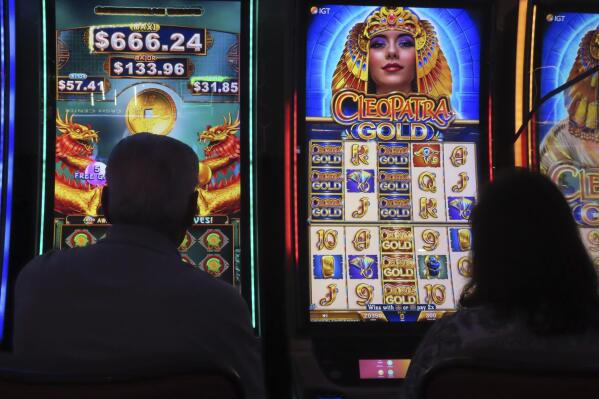
The landscape of gaming continues to evolve, offering an array of experiences that cater to diverse audiences. Modern gaming platforms, such as Tower Rush Game India, reflect the growing demand for engaging and dynamic experiences, blending elements of strategy with quick reflexes. These platforms provide players with opportunities to enjoy high-stakes gameplay while exploring various themes that resonate with their cultural identities.
As the gaming industry expands, understanding the cultural implications and societal impacts of gambling becomes increasingly essential. By fostering a safe and responsible gaming environment, stakeholders can enhance the positive aspects of gambling while minimizing its risks, ultimately creating a healthier gaming ecosystem that benefits players and communities alike.
LEO 9 ASPHALT & CONSTRUCTION LTD is a Construction Company Operating in Nigeria with a Desire for Quality.

Post a Comment